October 5, 2026
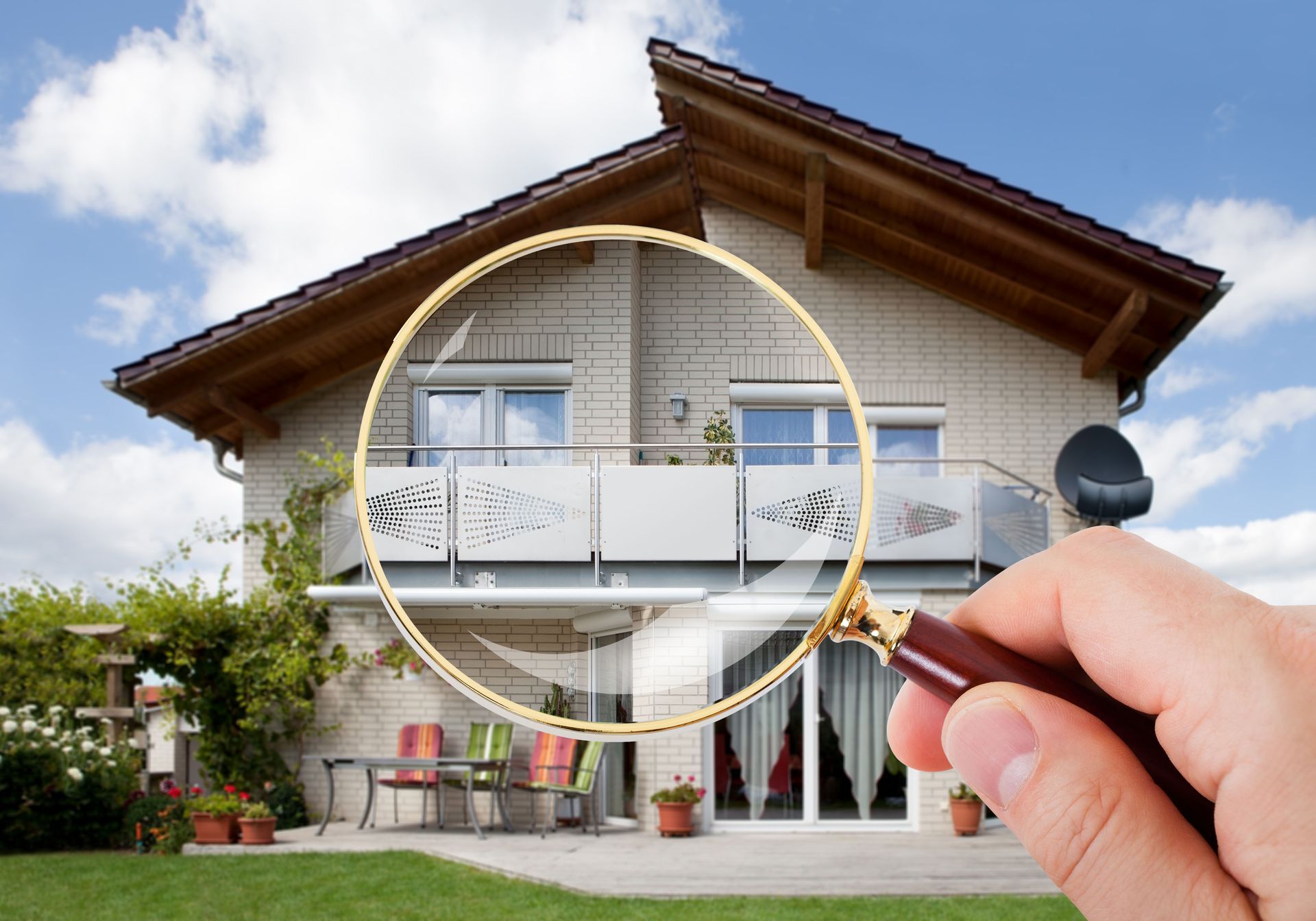
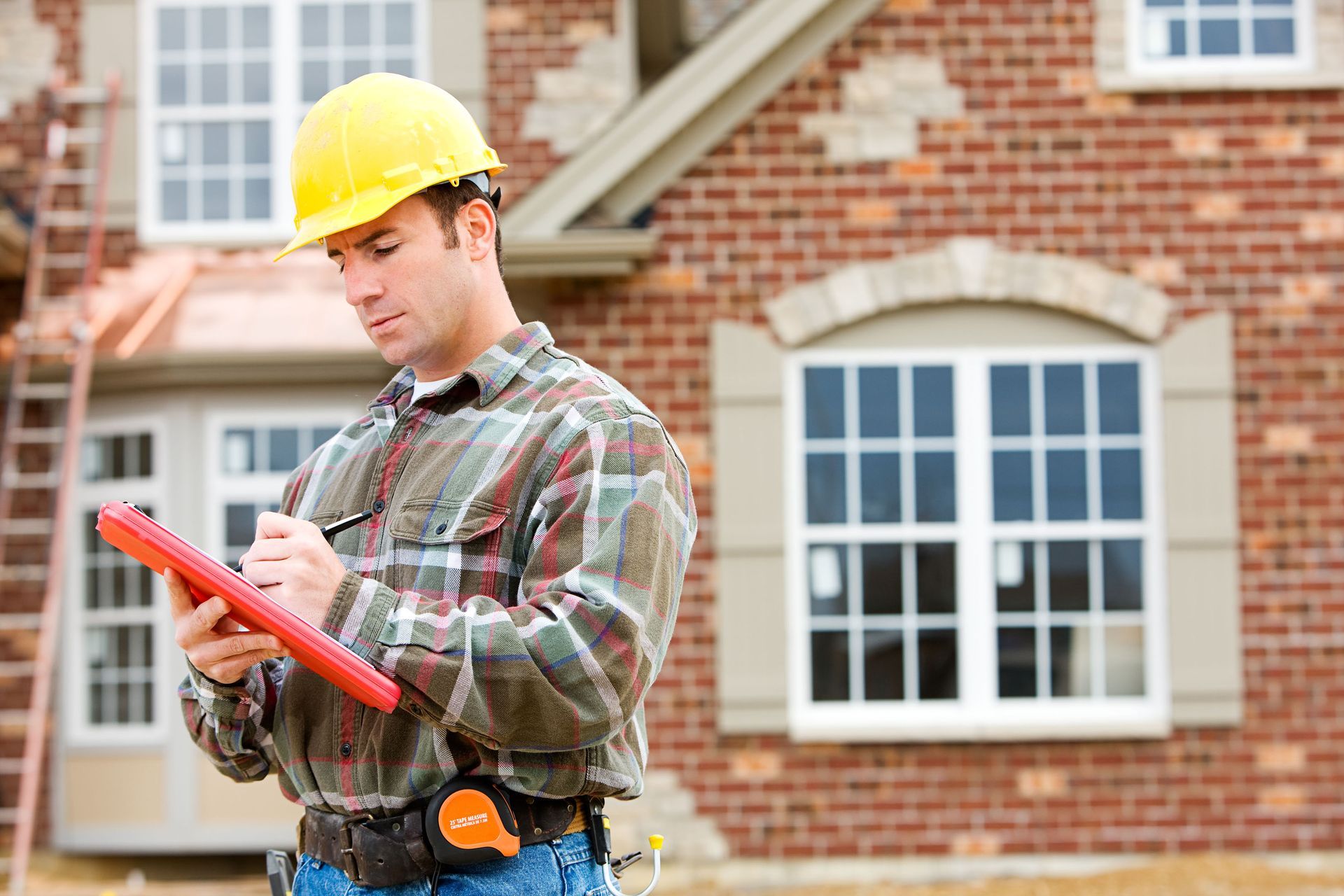
Purchasing a home is one of the most significant financial commitments one can make. That's why it's imperative to understand all potential financial and safety pitfalls before finalizing such a critical investment. Hiring a professional home inspection service not only identifies hidden issues but also ensures peace of mind, potentially saving you thousands in unforeseen repairs. In fact, according to RubyHome, 46% of people use home inspection results to negotiate a lower home sale price. Understanding the full scope of what professional home inspections offer is crucial to making an informed decision.
Identifying Structural Issues
Foundation and Basement Problems
Strong foundations are essential for a home's structural integrity. Inspectors check for cracks, uneven surfaces, and water ingress, any of which can indicate future issues. Foundation problems, if left unaddressed, lead to costly repairs and may compromise the home's resale value. Basements are assessed for signs of leaks and structural weaknesses, vital steps in safeguarding against more severe disturbances. Consequently, preventive action in addressing foundation issues is paramount to maintain long-term home value.
Roof and Attic Concerns
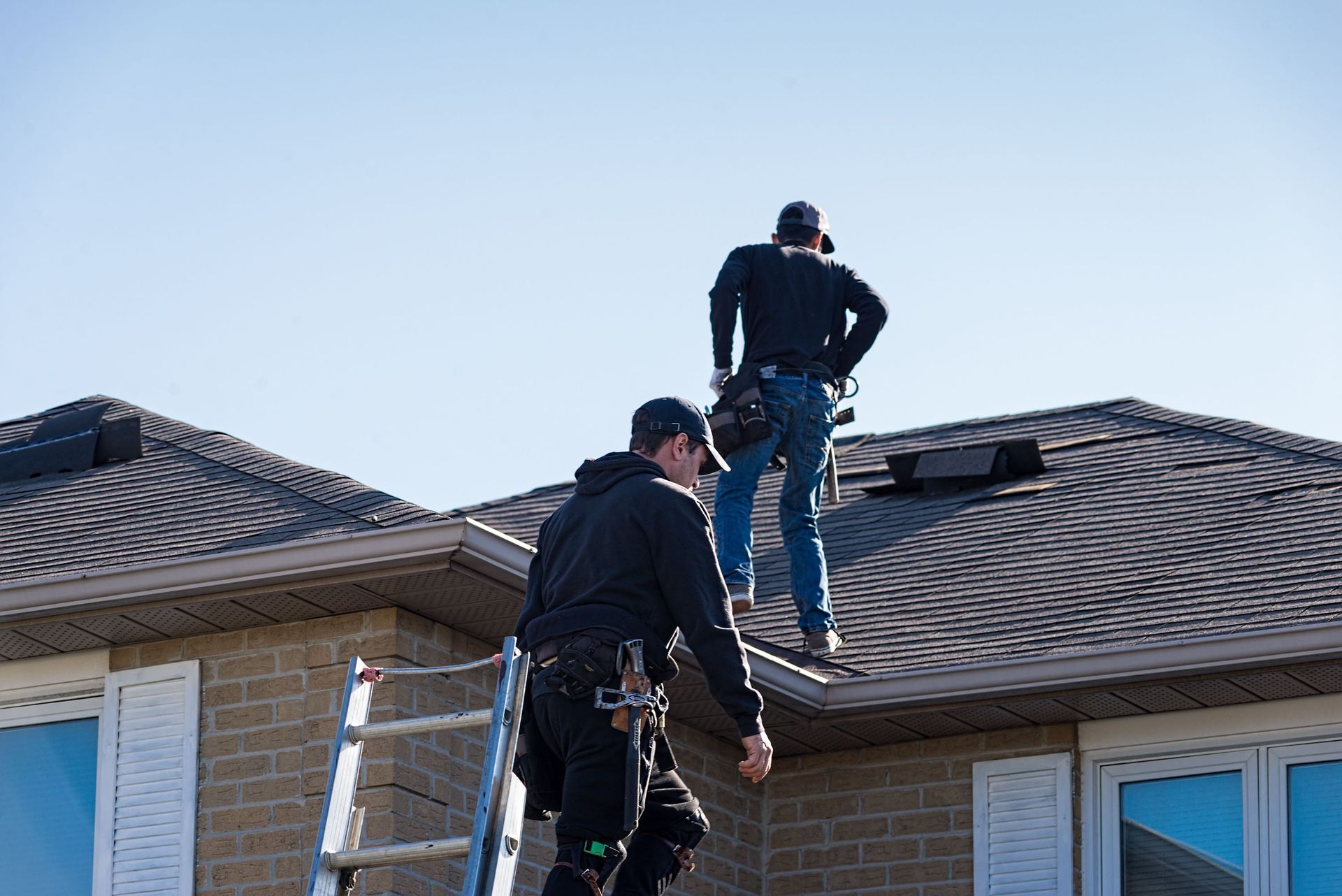
The roof and attic are often overlooked but are crucial components in home inspections. Roofs require inspection for missing shingles, signs of leaks, or structural damage to avoid major costly repairs. In the attic, insulation quality, ventilation, and possible water damage are essential factors for maintaining a home's efficiency and integrity. Timely identification of such issues can lead to meaningful savings by preventing further deterioration. Therefore, the assessment of roofs and attics is key to preemptively addressing potentially expensive repair needs.
Wall Cracks and Settlement Indicators
Cracks in walls can often indicate fundamental settlement issues within a property. During inspections, these are closely scrutinized to determine if they suggest larger, structural problems. Horizontal or stair-step cracks may signal potential foundation issues. Early detection can help avoid significant structural repairs and maintain the property's stability. Furthermore, understanding settlement indicators can assist a buyer in negotiating repairs with the seller before finalizing a purchase contract.
Importance of Identifying Load-Bearing Walls
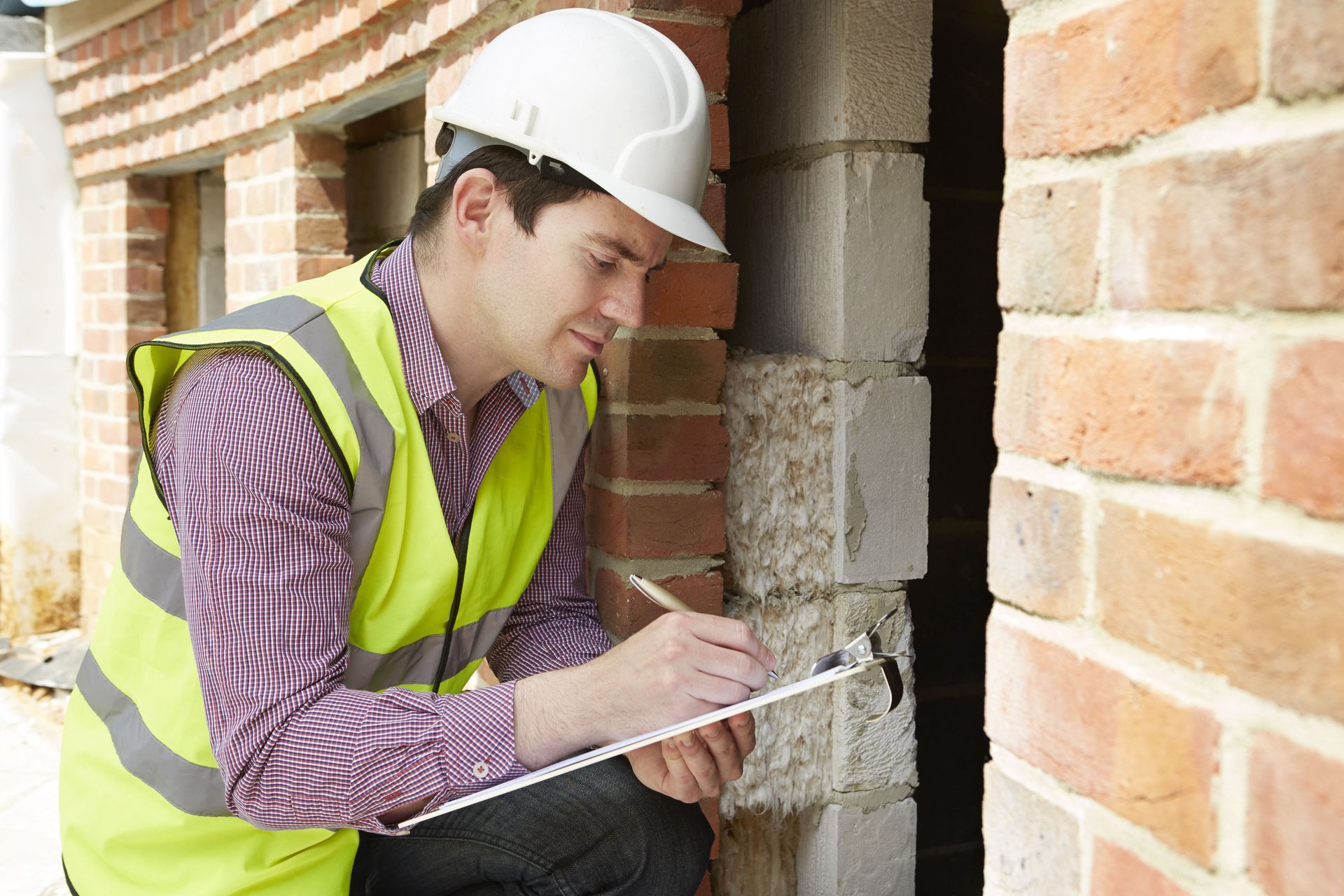
Load-bearing walls are critical for maintaining a home's stability. A structural change without assessing load-bearing properties can lead to catastrophic outcomes. Inspectors are adept at identifying these walls, providing essential guidance for any planned structural modifications. Plans to remove or alter spaces within the home must be approached with caution, which is important information buyers need. Ultimately, proper identification aids in safe renovation efforts and the long-term health of the home's structural integrity.
Preventing Costly Structural Repairs
Timely identification of structural issues is crucial to preventing expensive repairs. By addressing problems such as foundation cracks and roof leaks early, homeowners can potentially save thousands of dollars. An effective home inspection service provides a holistic view of a home's integrity, ultimately safeguarding the owner's investment. Addressing problems proactively as identified by professional inspections contributes significantly to reducing overall maintenance costs. Consequently, home inspections serve as a critical preventive tool for any home buyer or owner.
Detecting Electrical System Faults
Understanding Electrical System Basics
Electrical systems in homes distribute power to various outlets and fixtures, an integral part of modern living. Inspectors gauge the system's foundational elements, including wiring, circuit breakers, and grounding systems. Effective inspections validate the system's ability to meet current residential needs safely. Understanding these basics can help homeowners make informed decisions about potential upgrades to accommodate new technology and devices. As such, awareness of electrical system fundamentals enhances the functionality and safety of any home environment.
Common Electrical Hazards in Homes
Common home electrical hazards include outdated wiring, improperly fitted outlets, and lack of grounding. Such conditions increase the likelihood of short circuits and electrical fires, posing significant risks to residents. Inspectors evaluate these elements, looking for frayed wires, overly fused breakers, and signs of rust or degradation. Addressing these electrical hazards proactively protects both inhabitants and the structural integrity of the property. Ultimately, staying informed about potential hazards allows homeowners to take corrective measures before incidents occur.
Signs of Outdated Electrical Systems
Outdated electrical systems may include older knob-and-tube wiring, inadequate power supply, and insufficient circuit breakers. Signs like flickering lights, frequently tripped circuit breakers, and warm outlets indicate that an electrical system may require professional evaluation. Updated systems provide safer environments and often lead to lower energy costs and improved home functionality. Recognizing and updating aging electrical systems ensures compliance with today's safety standards and accommodates modern technology use. Hence, investing in updated electrical systems proves advantageous in maintaining the property's overall viability and safety.
Plumbing System Inspection
Overview of Residential Plumbing Systems
Residential plumbing systems provide vital services, distributing water for consumption and sanitation purposes. These systems rely on networked pipes, faucets, and valves requiring maintenance to ensure longevity. Inspectors closely examine these elements, checking for leaks, corrosion, and blockages. Properly functioning plumbing systems prevent water wastage and avoid major health-related concerns. As such, having a detailed understanding of plumbing functionality is critical when evaluating a home's status.
Signs of Leaks and Water Damage
Signs like water stains, sagging ceilings, and dampness indicate leaks and potential water damage. These issues can lead to high water bills, mold growth, and costly repairs if left unaddressed. Home inspections are integral in identifying warning signs that might not be immediately obvious to the untrained eye. Evaluating these areas saves homeowners significant amounts by alerting them to fixable problems before they escalate. Consequently, recognizing and addressing these indicators is vital in protecting the home's value.
Identifying Potential Sewer Line Issues
Sewer line issues, such as blockages and breaks, can result in severe consequences. Inspectors evaluate the system's state, looking for indications like slow drainage, unpleasant odors, and water backups. Catching these problems early avoids costly repairs and potentially hazardous wastewater exposure. Regular inspection enables homeowners to remedy vulnerabilities within their sewer systems efficiently. As a result, proactive sewer line evaluations promote healthier living environments and preserve the property's overall integrity.
Evaluating Water Heater Condition and Function
Water heaters play a crucial role in providing hot water for daily use. Inspections focus on assessing the heater's age, efficiency, and condition, identifying signs of wear or inefficiencies. Routine water heater evaluations can detect potential malfunctions, such as sediment buildup or faulty thermostats. Ensuring a water heater's optimal performance prevents unnecessary energy costs and prolongs its lifespan. The frequent assessment of water heaters proves instrumental in avoiding sudden failures or emergency replacements.
HVAC System Evaluations
Components of an HVAC System
HVAC systems incorporate heating, ventilation, and air conditioning components, maintaining comfortable indoor environments. Inspectors assess these systems' conditions, examining key elements such as ductwork, filters, and thermostats. Detailed evaluations highlight inefficiencies and potential risks, aiding in optimized performance. Properly functioning HVAC systems enable energy-efficient homes and maintain comfortable living spaces. Understanding these components is crucial to ensuring necessary repairs and maintenance of HVAC system performance.
Recognizing Inefficient Heating and Cooling Systems
Inefficient HVAC systems can lead to uncomfortable indoor climates and increased energy costs. Indicators like uneven heating or cooling and frequent cycling suggest potential system issues. A home inspection service will investigate these warning signs, providing remedies and recommendations for upgrades. Addressing inefficiencies not only improves comfort but also contributes to reduced energy consumption. Therefore, recognizing and rectifying problems with heating and cooling systems is essential for homeowners pursuing efficiency.
Importance of Energy Efficiency Assessments
Energy-efficient HVAC systems ultimately save homeowners money while benefiting the environment. Assessments gauge a system's efficiency, highlighting improvements that reduce energy consumption. Investing in energy-efficient solutions tends to lower utility bills and enhance property value. Inspectors provide critical insights into applicable improvements, helping save costs and reducing carbon footprints. Energy efficiency assessments remain a pivotal component in promoting sustainable and cost-effective home environments.
Investing in a professional home inspection service offers numerous financial and safety benefits. From identifying structural issues to evaluating electrical, plumbing, and HVAC systems, comprehensive inspections safeguard against hidden repair expenses. The process empowers home buyers and owners to negotiate better deals, ensure safety compliance, and project future maintenance costs. Investing in professional home inspections with Dana Inspection Services, Inc. serves as an essential preventive measure, ensuring peace of mind and protecting your investment. Reach out to us today to get started!